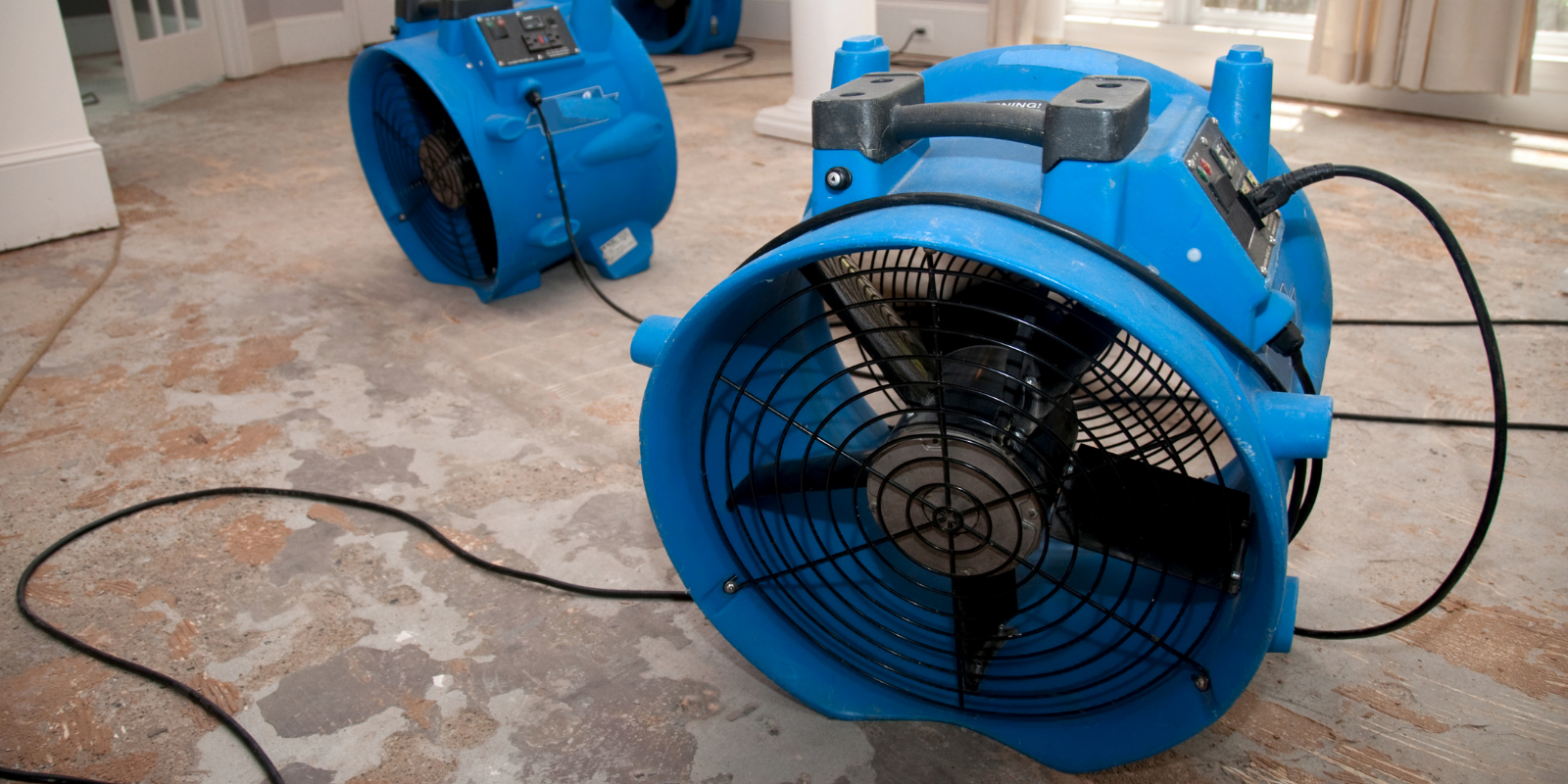
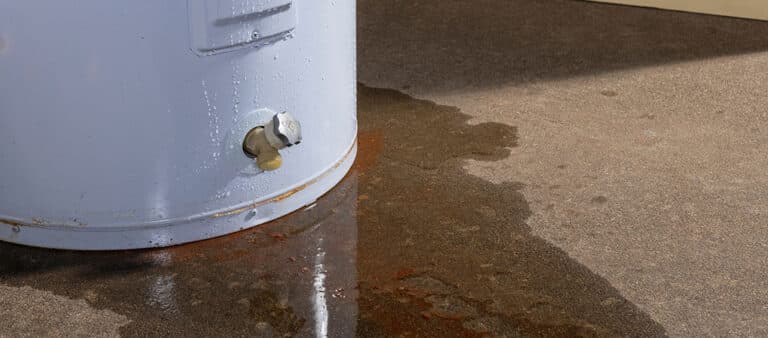
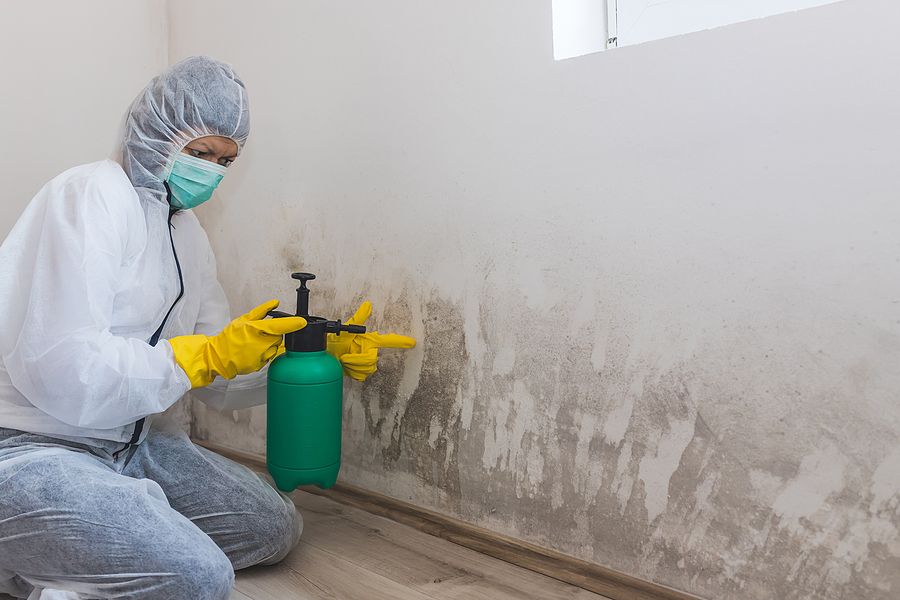
Coeur d’Alene sits on the northern shores of Lake Coeur d’Alene in Idaho’s Kootenai County. The area’s warm–summer, wet–winter climate means heavy precipitation in late autumn and winter, followed by very cold temperatures. According to climate data, the city’s wettest month is November, with an average of 114 mm (4.5 in) of precipitation, while July is comparatively dry, with roughly 21 mm (0.8 in) of rainfall. Average temperatures range from 28 °F (-2.2 °C) in January to 71.9 °F (22.2 °C) in July. These seasonal swings create freeze–thaw cycles, snow accumulation, and heavy spring runoff that put homes at risk of burst pipes, ice‑dam roof leaks, and foundation seepage—perfect conditions for water intrusion and mold. This blog explores why water damage and mold mitigation are pressing concerns for homeowners in Coeur d’Alene, how All Star Restoration responds, and practical steps local residents can take to protect their properties.
February and late-winter conditions in North Idaho bring a predictable but often underestimated threat: water intrusion caused by melting snow, ice buildup, and winter run-off. As temperatures fluctuate above and below freezing, water finds pathways into attics, walls, crawlspaces, and foundations where it does not belong. At All Star Restoration, we see a clear seasonal pattern. Homeowners in Coeur d’Alene, Hayden, Post Falls, and surrounding communities often believe the risk ends once the snow stops falling. In reality, the melting cycle can be even more damaging than the storm itself.
January is one of the most demanding months for homeowners and property managers in North Idaho. Extended freezing temperatures, snow accumulation, and ice buildup significantly increase the risk of water damage. When pipes freeze and burst, roofs ice over, or snowmelt infiltrates crawlspaces and basements, fast action is critical. For residents and businesses searching for a Restoration Company in Coeur d'Alene, Hayden, or a reliable Water Mitigation Company, understanding how winter impacts your property—and who to call—can make the difference between a minor repair and a major reconstruction project.
Winter in Kootenai County brings snow, freezing temperatures, and cozy evenings by the fire—but it can also bring one of the most common and costly homeowner emergencies: frozen and burst pipes. Between heavy snowmelt, ice dams, and winter storms, water damage is an ever-present risk across Coeur d’Alene, Post Falls, Hayden, Rathdrum, and surrounding North Idaho communities.
When unexpected water damage strikes your home—whether from a burst pipe, roof leak, or flooding—it can quickly lead to more than just structural problems. One of the most dangerous and costly side effects of water intrusion is mold growth. Within 24–48 hours, moisture can begin to feed colonies of mold spores that spread through walls, floors, and air ducts.
Coeur d’Alene sits on the northern shores of Lake Coeur d’Alene in Idaho’s Kootenai County. The area’s warm–summer, wet–winter climate means heavy precipitation in late autumn and winter, followed by very cold temperatures. According to climate data, the city’s wettest month is November, with an average of 114 mm (4.5 in) of precipitation, while July is comparatively dry, with roughly 21 mm (0.8 in) of rainfall. Average temperatures range from 28 °F (-2.2 °C) in January to 71.9 °F (22.2 °C) in July. These seasonal swings create freeze–thaw cycles, snow accumulation, and heavy spring runoff that put homes at risk of burst pipes, ice‑dam roof leaks, and foundation seepage—perfect conditions for water intrusion and mold. This blog explores why water damage and mold mitigation are pressing concerns for homeowners in Coeur d’Alene, how All Star Restoration responds, and practical steps local residents can take to protect their properties.
February and late-winter conditions in North Idaho bring a predictable but often underestimated threat: water intrusion caused by melting snow, ice buildup, and winter run-off. As temperatures fluctuate above and below freezing, water finds pathways into attics, walls, crawlspaces, and foundations where it does not belong. At All Star Restoration, we see a clear seasonal pattern. Homeowners in Coeur d’Alene, Hayden, Post Falls, and surrounding communities often believe the risk ends once the snow stops falling. In reality, the melting cycle can be even more damaging than the storm itself.
January is one of the most demanding months for homeowners and property managers in North Idaho. Extended freezing temperatures, snow accumulation, and ice buildup significantly increase the risk of water damage. When pipes freeze and burst, roofs ice over, or snowmelt infiltrates crawlspaces and basements, fast action is critical. For residents and businesses searching for a Restoration Company in Coeur d'Alene, Hayden, or a reliable Water Mitigation Company, understanding how winter impacts your property—and who to call—can make the difference between a minor repair and a major reconstruction project.
Winter in Kootenai County brings snow, freezing temperatures, and cozy evenings by the fire—but it can also bring one of the most common and costly homeowner emergencies: frozen and burst pipes. Between heavy snowmelt, ice dams, and winter storms, water damage is an ever-present risk across Coeur d’Alene, Post Falls, Hayden, Rathdrum, and surrounding North Idaho communities.
When unexpected water damage strikes your home—whether from a burst pipe, roof leak, or flooding—it can quickly lead to more than just structural problems. One of the most dangerous and costly side effects of water intrusion is mold growth. Within 24–48 hours, moisture can begin to feed colonies of mold spores that spread through walls, floors, and air ducts.
5 Warning Signs of Structural Damage After a Disaster
Disasters like floods, fires, and storms can weaken the integrity of a building, sometimes in ways that aren’t immediately visible. In this post, we cover the five key signs of structural damage—from foundation cracks to misaligned doors and windows—so you know when to call a professional. Protect your property by recognizing these red flags early.
Mold isn’t just an eyesore—it can pose serious health risks and cause extensive property damage. This post explores the warning signs of mold, the potential health hazards, and the best remediation solutions to keep your home or business safe. Learn how to identify mold early and take action before it spreads!
A house fire can be devastating, but knowing the right steps to take can help ensure your safety and speed up recovery. This guide walks you through what to do immediately after a fire, from contacting emergency services to assessing damage, filing insurance claims, and starting restoration. If you or a loved one has experienced a fire, this post will provide clear and actionable guidance.
Water damage can happen unexpectedly, leading to costly repairs and long-term structural issues. In this post, we identify the 10 most common causes of water damage—ranging from plumbing leaks to severe weather—and provide practical prevention tips to protect your home. Learn how early detection and maintenance can save you from disaster!
Choosing the right restoration company is crucial to ensuring a fast, effective recovery after water damage, fire, mold, or storm-related issues. In this post, we break down the key questions you should ask before hiring a restoration service.
Get Started Now
Don’t let damage linger or worsen. Contact All Star Restoration now for fast, professional service. Call us 24/7 or request a free estimate online. Our team is standing by, ready to restore your property — and your peace of mind.