Protecting Coeur d'Alene Homes: Water Damage & Mold Mitigation
Year-Round Water Damage or Mold Mitigation Information
Coeur d’Alene sits on the northern shores of Lake Coeur d’Alene in Idaho’s Kootenai County. The area’s warm–summer, wet–winter climate means heavy precipitation in late autumn and winter, followed by very cold temperatures. According to climate data, the city’s wettest month is November, with an average of 114 mm (4.5 in) of precipitation, while July is comparatively dry, with roughly 21 mm (0.8 in) of rainfall. Average temperatures range from 28 °F (-2.2 °C) in January to 71.9 °F (22.2 °C) in July. These seasonal swings create freeze–thaw cycles, snow accumulation, and heavy spring runoff that put homes at risk of burst pipes, ice‑dam roof leaks, and foundation seepage—perfect conditions for water intrusion and mold.
This blog explores why water damage and mold mitigation are pressing concerns for homeowners in Coeur d’Alene, how All Star Restoration responds, and practical steps local residents can take to protect their properties.
Water damage isn’t just a mess—it threatens a home’s structure, contents and occupants. All Star Restoration notes that even a small leak can quickly become serious because water seeps into walls, floors, and furniture within minutes, mold spores activate within hours, and structural materials may be compromised within days. Industry guidelines agree: moisture that isn’t dried within 24–48 hours creates conditions for mold and mildew to grow. That’s why rapid response is critical.
While any water intrusion can cause problems, North Idaho’s climate creates recurring patterns. All Star Restoration’s service pages and blogs identify several culprits:
Frozen or burst pipes – During winter, uninsulated pipes in crawlspaces, garages and exterior walls freeze and rupture when they thaw. The City of Coeur d’Alene advises disconnecting garden hoses, covering vents and insulating exposed pipes to reduce freeze‑ups.
Ice dams and roof leaks – Snow accumulation combined with heat loss from the attic forms ice dams that force water under shingles and into ceilings and walls. Removing snow buildup near roof edges and maintaining attic insulation helps prevent this.
Snowmelt and runoff – As temperatures fluctuate in late winter, melting snow saturates soil, increasing hydrostatic pressure against foundations and causing crawlspace or basement flooding. Clearing gutters and downspouts and directing runoff away from the foundation reduces risk.
Appliance failures and roof leaks – Leaking washing machines, water heaters and refrigerators, or minor roof failures can release gallons of water. Regular maintenance and inspections are key.
Sewage backups and storm flooding – Heavy rains, clogged drainage systems or blocked sewers can push contaminated water into homes.
These scenarios can happen any time of year, but winter’s freeze–thaw cycles and spring runoff make January through March especially hazardous in Coeur d’Alene.
Water mitigation refers to the immediate steps taken to stop the water source, limit its spread and stabilize the structure. Without prompt action, damage compounds:
Time after water intrusion
Effects on property
Health & structural risks
0–60 minutes
Water quickly wicks into porous materials; photographs, books and electronics may be ruined
None yet, but saturation begins
1–24 hours
Drywall swells and sags; wood warps; musty odors appear
Microbial spores begin activating
24–48 hours
Mold and mildew start growing; doors and windows may swell
Risk of respiratory problems and costly repairs increases
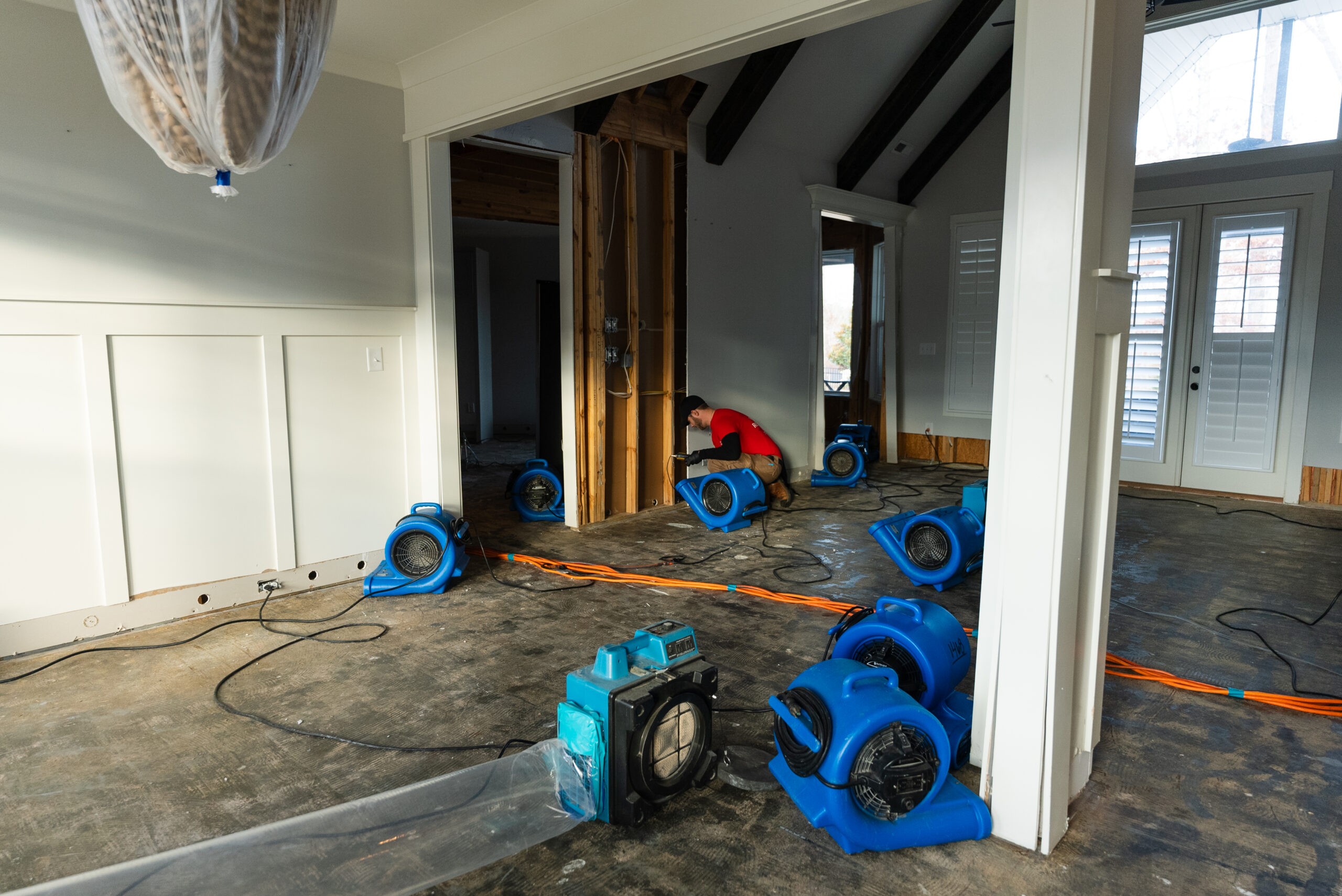
All Star Restoration emphasizes that rapid emergency response—often within 60 minutes—reduces overall repair costs and prevents long‑term damage. Their IICRC‑certified technicians use industrial‑grade pumps, fans, and dehumidifiers to extract standing water, dry hidden moisture, and monitor conditions. Unlike DIY efforts, professional mitigation includes moisture mapping, controlled structural drying, and documentation for insurance claims.
All Star Restoration follows a structured, evidence‑based process to return properties to a safe, livable condition:
Inspection and assessment: Technicians identify the source of water intrusion, map moisture, and create a tailored restoration plan.
Water extraction: Commercial‑grade pumps and vacuums quickly remove standing water to prevent further spread.
Drying and dehumidification: Industrial fans and dehumidifiers dry walls, floors and hidden cavities. This step is crucial because the U.S. Environmental Protection Agency stresses that water‑damaged areas must be dried within 24–48 hours to prevent mold growth.
Cleaning and sanitation: Affected surfaces, furniture, and belongings are cleaned and disinfected to eliminate contaminants.
Restoration and repairs: Finally, All Star rebuilds damaged structures—patching drywall, replacing flooring and performing major reconstruction when needed.
Throughout the process, their team documents moisture readings and works directly with insurance providers to streamline claims. Local crews based in Coeur d’Alene, Post Falls and Hayden ensure fast on‑site response—even during storms or power outages.
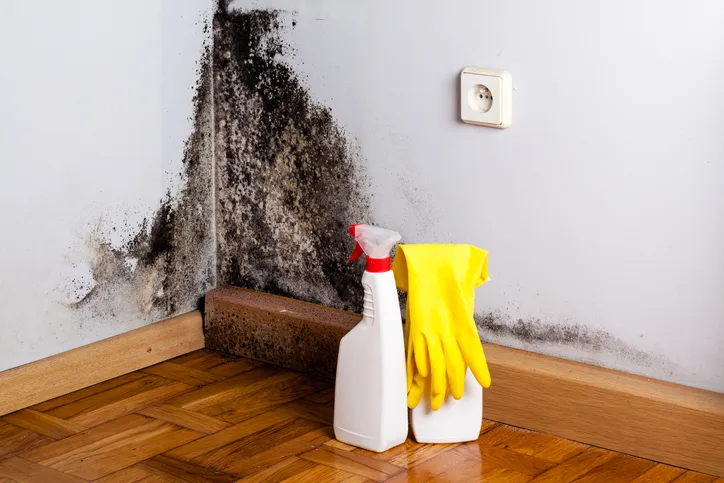
Water damage and mold are inseparable. Mold is a living organism that thrives in damp, dark spaces and spreads by releasing airborne spores. Left untreated, it can weaken building materials and trigger health problems. The U.S. EPA warns that mold growth is likely when water‑damaged areas aren’t dried within 24–48 hours. The CDC notes that exposure to damp and moldy environments may cause respiratory irritation, coughing, wheezing and exacerbate asthma. People with allergies, asthma or weakened immune systems are especially vulnerable.
Signs of Mold Growth
Detecting mold early prevents costly remediation. Warning signs include:
Musty odors and persistent damp smells.
Visible mold spots that appear black, green or white on walls, ceilings or floors.
Water stains, peeling paint or warped surfaces—indicators of hidden moisture.
Increased allergy symptoms indoors, such as sneezing, coughing or headaches.
All Star’s Mold Remediation Process
All Star Restoration uses a comprehensive, safety‑first approach to mold mitigation:
Inspection & testing: Certified specialists inspect visible mold, test air quality and locate hidden moisture sources.
Containment: Affected areas are sealed off using barriers and negative air pressure to prevent spores from spreading.
Removal & cleaning: Technicians remove contaminated materials and use HEPA vacuums, antimicrobial treatments and air scrubbers to eliminate mold.
Drying & dehumidification: Industrial‑grade drying systems address underlying moisture to ensure mold doesn’t return.
Prevention & restoration: Long‑term solutions may include improved ventilation or waterproofing; All Star also repairs any damaged structures.
Their team is IICRC‑certified and employs advanced technology—HEPA vacuums, air scrubbers and industrial dehumidifiers—to ensure thorough removal. They also help clients navigate insurance claims to reduce stress.
Homeowners in Coeur d’Alene have many options, but local expertise matters. All Star Restoration stands out because it:
Provides 24/7 emergency response – Disasters don’t wait for business hours; All Star’s teams are on call day and night.
Deploys local crews – With offices in Coeur d’Alene, Post Falls and Hayden, technicians arrive quickly during winter storms and know the region’s common failure points.
Employs IICRC‑certified specialists – Their technicians are trained in the latest water damage and mold remediation standards.
Uses advanced equipment – Industrial‑grade pumps, HEPA vacuums, air scrubbers and dehumidifiers ensure thorough drying and removal.
Offers full‑service restoration – From emergency mitigation to structural repairs and reconstruction, All Star handles every stage.
Guides insurance claims – They document moisture readings, provide reports and coordinate with adjusters to simplify the claims process.
All Star’s commitment to the North Idaho community means they understand local building styles, weather patterns and insurance practices. Many clients have noted that their speed, professionalism and compassion made all the difference during emergencies.
Prevention Tips for Homeowners
While not all disasters are avoidable, proactive steps can reduce the likelihood of water damage and mold:
Winterize plumbing: Disconnect outdoor hoses, insulate exposed pipes and cover crawlspace vents to keep cold air out. On very cold nights, open cabinet doors near exterior walls to allow warm air to circulate. Know where your shut‑off valve is so you can stop water quickly if a pipe bursts.
Remove snow from roofs: Clear heavy snow from roof edges to prevent ice dams and monitor attic insulation to reduce heat loss.
Manage runoff: Keep gutters and downspouts clear of debris and extend downspouts away from the foundation to reduce hydrostatic pressure.
Maintain appliances: Inspect water heaters, washing machines and dishwasher hoses for leaks.
Control indoor humidity: The CDC recommends keeping humidity below 50 percent and using exhaust fans in bathrooms and kitchens. The EPA advises drying water‑damaged areas within 24–48 hours.
Fix leaks promptly: Address leaking roofs, windows or plumbing immediately. Even small drips can create conditions for mold growth.
Water & Mold Mitigation in Coeur d’Alene
Coeur d’Alene’s picturesque setting comes with unique climate challenges. Heavy winter snowfall, freeze–thaw cycles, and spring runoff make water damage a persistent threat, and lingering moisture can quickly lead to mold growth. Understanding the causes and acting quickly are crucial. All Star Restoration combines local expertise, certified technicians and advanced equipment to deliver rapid water mitigation and comprehensive mold remediation. Whether you’re facing a burst pipe in January or a spring thaw that seeps into your basement, their 24/7 team is ready to protect your property and restore your peace of mind.
For residents of Coeur d’Alene, Post Falls, Hayden and the wider Kootenai County, choosing a local restoration partner ensures faster response times, tailored solutions and trusted service. Don’t wait until a small leak becomes a major problem—prepare your home, act quickly when water intrusion occurs, and call All Star Restoration for professional help.
Get Started Now
When water, fire, smoke, mold, or storm damage affects your property, fast action matters. Contact All Star Restoration for 24/7 emergency restoration, professional mitigation, and complete reconstruction. Our team is ready to help you take the next step toward restoring your home or business.