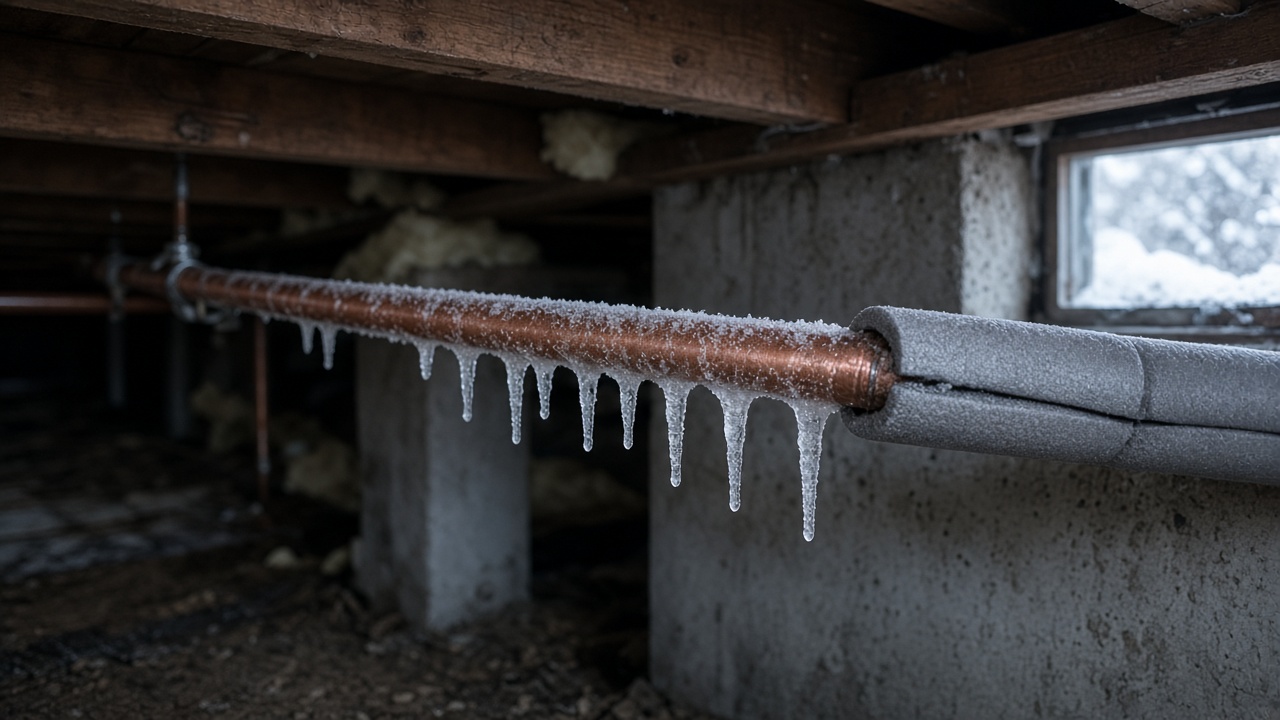
When a cold snap rolls into North Idaho, temperatures can drop below zero overnight, and frozen pipes become one of the most common causes of winter water damage. A pipe freezes, the ice expands, and a small crack can let water pour into walls, floors, or a crawl space before anyone notices. Knowing how to prevent frozen pipes, and what to do if one bursts, can save you a lot of damage and stress.
At All Star Restoration, we help homeowners throughout Hayden, Coeur d'Alene, Post Falls, Sandpoint, and the surrounding North Idaho communities deal with frozen and burst pipes every winter. Here is what we recommend before the next deep freeze, and the steps to take if a pipe does break.
Why Do Pipes Freeze in North Idaho Homes?
When water in a pipe freezes, it expands and builds pressure inside the line. That pressure causes splits and bursts, often in a spot away from the ice itself.
In North Idaho, the pipes most at risk are the ones that sit near the cold:
- Crawl spaces that are vented, poorly insulated, or have gaps where cold air gets in
- Exterior walls, especially pipes running to kitchen sinks, bathrooms, and laundry rooms on outside walls
- Garages, attics, and unheated basements
- Outdoor spigots and hose bibs that were not shut off and drained in the fall
- Vacation homes and lake cabins that sit empty or are kept at a low temperature for long stretches
Wind makes it worse. A sub-zero night with a steady wind pulls heat out of crawl spaces and wall cavities fast.
How Can I Prevent Frozen Pipes This Winter?
Do these before the next cold snap:
- Keep the heat on and steady. Keep the thermostat steady day and night, and never below 55°F, even when you are away.
- Insulate exposed pipes. Foam pipe sleeves from the hardware store are easy to add in crawl spaces, garages, and unheated areas.
- Seal drafts. Close or cover crawl space vents for the winter if your home is set up for it, and seal gaps where pipes pass through exterior walls.
- Disconnect garden hoses. Shut off the inside valve that feeds outdoor faucets, drain the outside spigot, and add an insulated faucet cover.
- Open cabinet doors. On the coldest nights, open the cabinets under sinks on exterior walls so warm air can reach the pipes.
- Let a faucet drip. A slow drip from a faucet on an exterior wall keeps water moving and relieves pressure in the line.
- Know where your main water shut-off is. Find it now, make sure it turns, and show everyone in the house.
Traveling for the Holidays or Heading South for the Winter?
An empty house is where a burst pipe does the most damage, because no one is there to notice. Before you travel or leave for the season:
- Set the thermostat no lower than 55°F, and do not turn the heat off.
- Shut off the main water supply and drain the lines if the home will be empty for a long stretch.
- Ask a trusted neighbor, friend, or property manager to check the house regularly, especially during cold snaps.
- For lake cabins and second homes, ask a plumber about winterizing the plumbing.
How Do I Know If a Pipe Is Frozen?
Watch for these signs on a cold morning:
- You turn on a faucet and only a trickle comes out, or nothing at all.
- Frost is visible on an exposed pipe.
- A toilet will not refill after flushing.
- A section of wall, ceiling, or floor near a pipe feels unusually cold or looks damp.
How Do I Thaw a Frozen Pipe Safely?
If a pipe is frozen but has not burst, you can often thaw it yourself. Go slowly.
- Open the faucet on the frozen line so melting water can flow.
- Apply gentle heat to the pipe, starting closest to the faucet and working back. A hair dryer, heating pad, or warm towels work well.
- Warm the space. A space heater can help, but keep it away from anything flammable and never leave it unattended.
- Never use a torch, propane heater, or any open flame. They can start a fire inside walls or crawl spaces.
- Keep heating until full water pressure returns, then check the area for leaks.
If you cannot find the frozen spot, cannot reach it, or the pipe looks cracked or bulged, stop and call a licensed plumber.
What Should I Do If a Pipe Bursts?
A burst pipe can release a lot of water quickly. Take these steps in order:
- Shut off the main water. Turn off the main water shut-off valve to stop the flow. If you are on a well, you can also switch off the well pump at the breaker.
- Stay safe around electricity. If water is near outlets, cords, appliances, or the electrical panel, do not walk through standing water. Turn off power to the affected area only if you can reach the breaker safely and stay dry.
- Open faucets to drain the remaining water from the lines and relieve pressure.
- Take photos and video of the damage, the pipe, and any wet belongings before you move or throw anything away. These records can help with your insurance claim.
- Call a plumber to fix the pipe, and call a water damage restoration team to remove the water and dry out your home.
- Contact your insurance company to start a claim and ask what they need from you.
Why Does Fast Drying Matter After a Burst Pipe?
Mopping up visible water is only the start. Water soaks into drywall, insulation, subfloors, cabinets, and crawl spaces, where it cannot be seen. Mold can begin to grow within 24 to 48 hours when moisture is left behind.
Professional water damage restoration uses water extraction, moisture detection, and drying equipment to find hidden moisture and dry the structure properly. Our room dryout services focus on pulling moisture out of walls, floors, and contents so small problems do not turn into larger ones.
For more winter tips, read our guide to protecting your home from winter water damage.
Local Frozen Pipe and Water Damage Help in Hayden, Coeur d'Alene, Post Falls, and Sandpoint
If a frozen or burst pipe has caused water damage in your home or business, All Star Restoration is here to help, day or night. We are a locally owned restoration company offering 24/7 emergency water damage service in Coeur d'Alene, Hayden, Post Falls, Rathdrum, Sandpoint, and the surrounding North Idaho communities.
For more information about our local service area, visit our North Idaho Home Restoration Company page.
Frequently Asked Questions About Frozen Pipes
At what temperature do pipes freeze?
Pipes are most at risk when outdoor temperatures fall into the teens or below, especially in crawl spaces, exterior walls, and unheated areas. Sub-zero nights and wind make freezing much more likely. A heated home and insulated pipes are the best protection.
What temperature should I leave my house at when I travel in winter?
Keep your thermostat at 55°F or higher, and do not turn the heat off. For longer trips, consider shutting off the main water and draining the lines. Ask someone to check on the house during cold snaps.
What should I do first if a pipe bursts?
Shut off the main water valve right away to stop the flow. Then stay clear of water near electricity, take photos for insurance, and call for help. Fast water removal and drying help limit damage and lower the risk of mold.
Does All Star Restoration offer 24/7 emergency water damage service in North Idaho?
Yes. All Star Restoration provides 24/7 emergency water damage restoration and dryout for homes and businesses in Coeur d'Alene, Hayden, Post Falls, Sandpoint, and across North Idaho. Call 208-916-8861 any time.